You updated the tile. Swapped the vanity. Maybe even installed new fixtures. And still… something feels off. That lingering discomfort usually isn’t about style. It’s about how the space was built, and whether the underlying systems and craftsmanship are doing their job. A bathroom should feel smooth. Predictable. Easy to use. When it doesn’t, there’s almost always a deeper reason.
The Problem Often Lives Behind the Walls
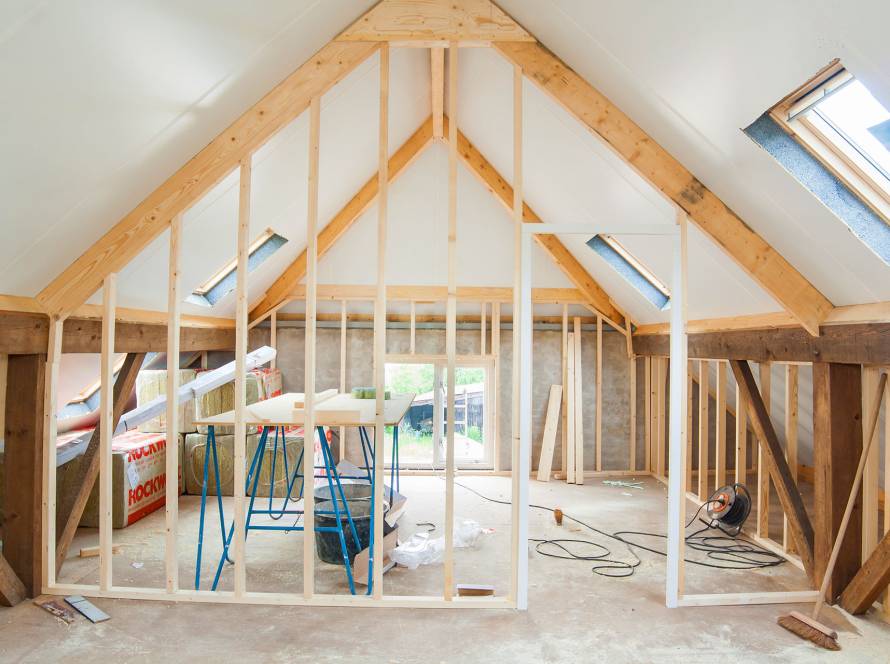
A bathroom can look brand new and still function poorly. That’s because performance depends on what you don’t see: plumbing layout, ventilation, framing, and installation quality. If those aren’t handled correctly, no amount of surface upgrades will fix the feeling.
In professional renovations, the goal isn’t just visual improvement. It’s creating a space that works better at every level, from water flow to air movement to structural precision.
Poor Plumbing Changes the Entire Experience
Water should feel steady. Controlled. Reliable. If you’re dealing with inconsistent pressure, slow drainage, or temperature swings, the issue is likely in the plumbing system itself, not the fixtures.
Bathrooms that feel “off” often have:
- Outdated or poorly routed pipes
- Drainage that wasn’t properly sloped
- Supply lines competing for pressure
Fixing these isn’t cosmetic. But once corrected, the difference is immediate. The room starts to feel effortless.
Ventilation Is Quietly Undermining Everything
Bathrooms generate constant moisture. Without proper ventilation, that moisture lingers and affects everything. You might notice mirrors staying foggy long after a shower, a damp or heavy feeling in the air, or finishes wearing down faster than expected.
This isn’t just about comfort. It’s about performance over time. A properly installed exhaust system removes humidity quickly, protecting both the structure and the materials in the space. Without it, even a high-end remodel won’t feel right.
Craftsmanship Shows in the Small Details
This is where experienced contractors make a real difference. Details like tile alignment, trim precision, and fixture installation all contribute to how the space performs over time. When these elements are done correctly, everything feels solid and consistent.
When they’re not, small issues begin to appear, surfaces shift, materials wear unevenly, and problems develop at connection points. Good craftsmanship isn’t loud. It’s quiet. You don’t notice it because nothing goes wrong.
Layout Still Matters More Than You Think
Even with solid systems, a poor layout can make a bathroom feel awkward. If movement feels restricted or the space feels cramped, the issue may be how everything is positioned. A well-designed layout allows natural flow between fixtures and gives you enough room to move comfortably without thinking about it.
Sometimes, the fix isn’t dramatic. A small adjustment, like repositioning a vanity or changing how a door opens, can completely change the experience of the room.
What to Fix First
If your bathroom doesn’t feel right, don’t rush into a full remodel. Start with the fundamentals.
Focus on:
- Checking plumbing performance and drainage
- Upgrading ventilation where needed
- Improving lighting for both function and comfort
- Addressing installation issues before they grow
These changes often solve the core problem without unnecessary work.
The Bottom Line
A bathroom shouldn’t just look finished. It should feel right the moment you step in. When plumbing flows properly, ventilation clears the air, and every detail is built with precision, the space becomes effortless. That’s the difference between a bathroom that looks done and one that actually works.